

Arancia amara (Citrus aurantium)
€5.90
In StockUn frutto mediterraneo poco diffuso, viene solitamente miscelato ad altri succhi dato il suo sapore amaro..
Contiene sineprina ed alcaloidi feniletilamminici dalle proprietà termogeniche e stimolanti, oltre ad altri composti organici che hanno invece un’azione sedativa riducendo l’ansia e migliorando l’umore.
NON E’ UN FITOFARMACO O UN SUPPLEMENTO ALIMENTARE, MA UN ARTICOLO NON ADATTO AL CONSUMO UMANO DESTINATO SOLTANTO AD ESPOSIZIONE E FUMIGAZIONI IN AMBIENTI APERTI.
Descrizione
Il Citrus aurantium comunemente noto come arancio amaro è un ibrido ottenuto da C. maxima (pomelo) e C. reticulata (mandarino).
Gli alcaloidi come stachidrina e sineprina con la loro amarezza tengono alla larga gli erbivori, gli oli essenziali sono repellenti per gli insetti.
I flavonoidi contribuiscono alla pigmentazione dei fiori che aiuta ad attrarre gli impollinatori.
Le cumarine modulano l’interazione con il microbioma della radice potenziando l’assorbimento di ferro e proteggendo dallo stress ossidativo tutta la pianta.
Qui in Sicilia l’arancio amaro è usata soprattutto come portainnesto per quello dolce, infatti è generalmente più robusto e produttivo dell’altra specie. Tra le Citrus sp. è l’unica che supporta temperature fino a -15 C°.
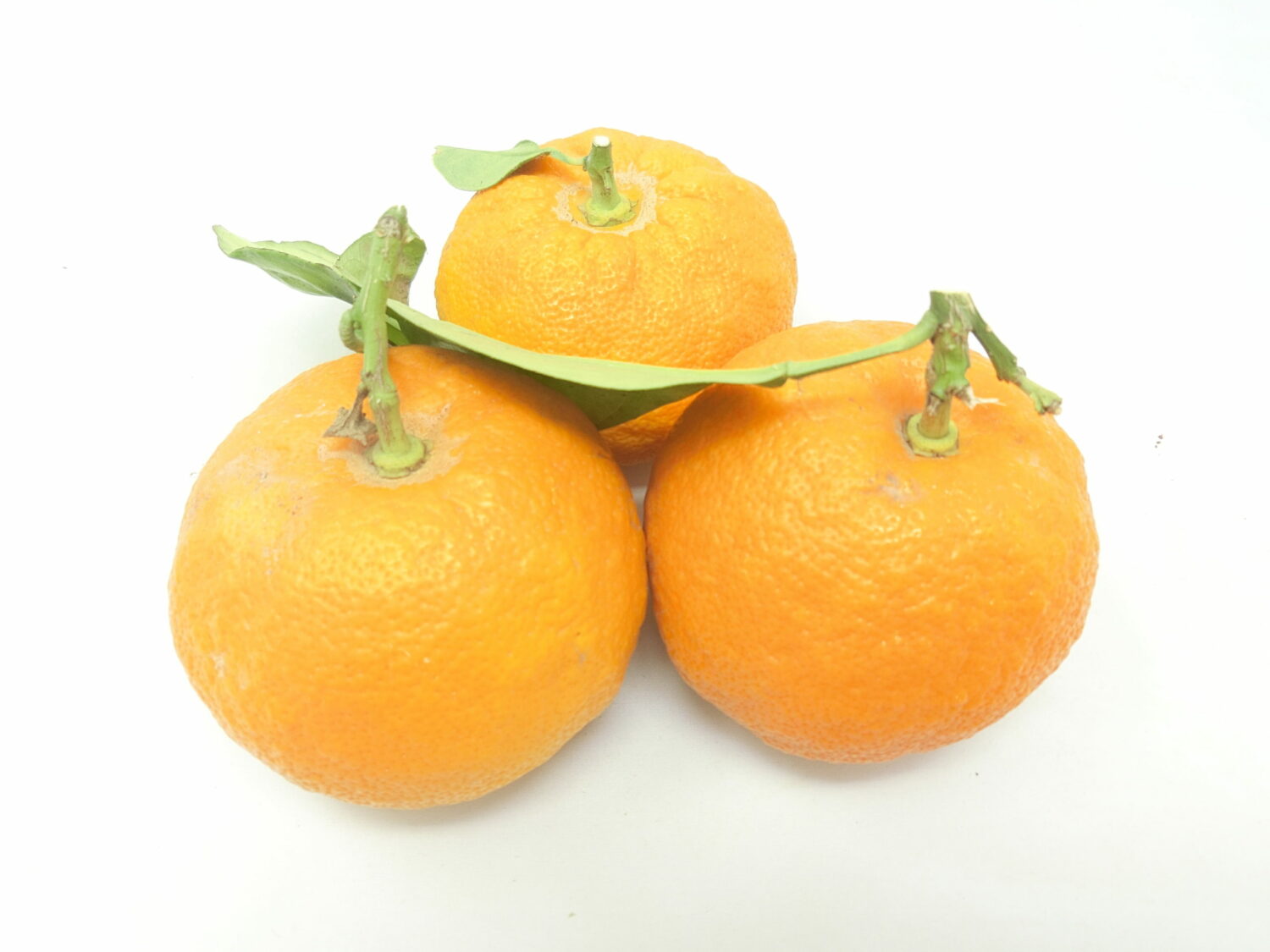
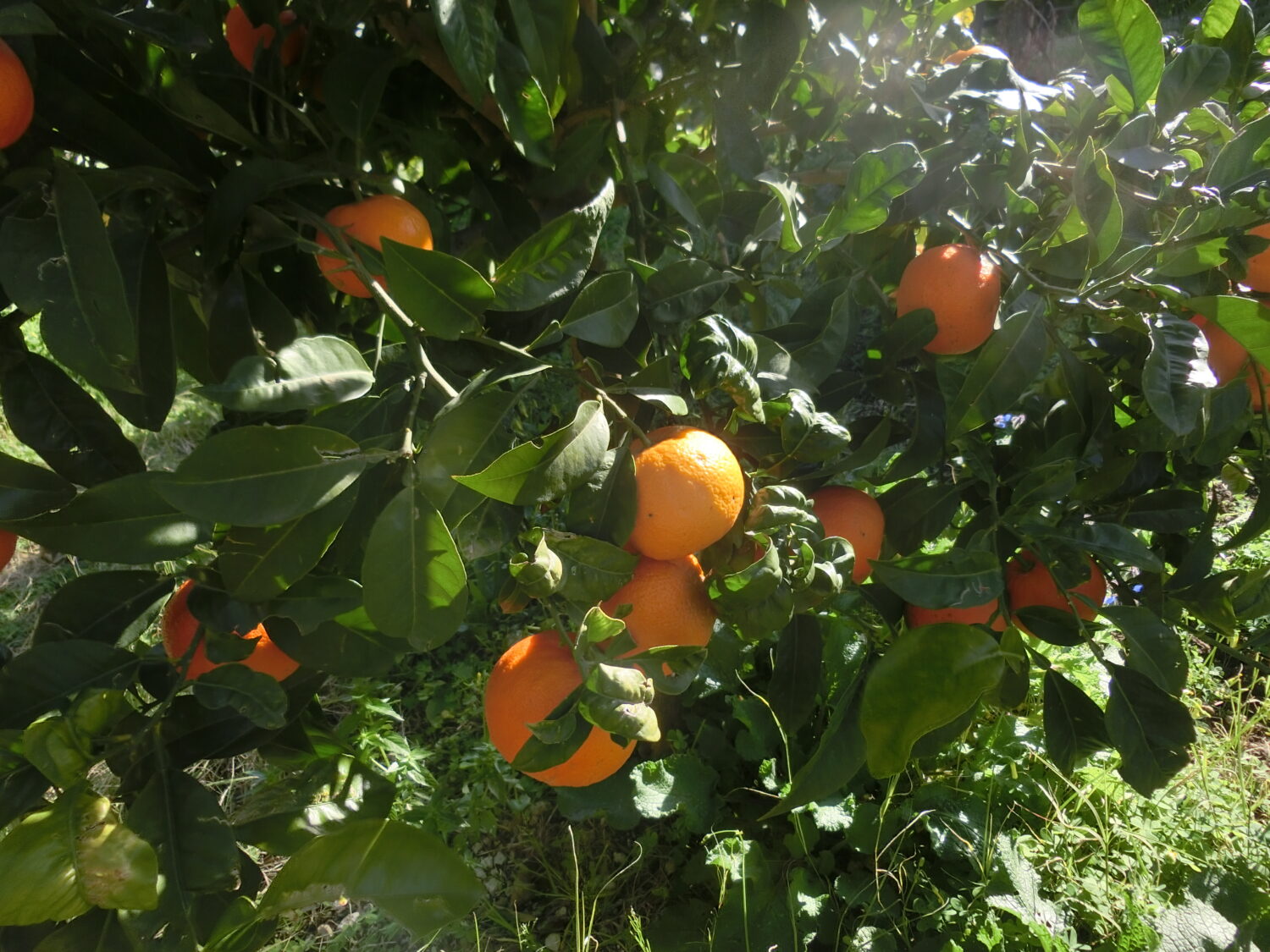
Con gli innesti capita che le due specie si mischino, una delle piante di arancia dolce che avevo ha sviluppato un singolo ramo di arancio amaro a distanza di tempo. Nella foto in galleria si può notare dalla buccia dei frutti più rugosa rispetto a quelle dolci più lisce.
Si tratta di una chimera periclinale, un’organismo composto da due tipi di tessuto geneticamente diversi.
Descrizione
Classe: Magnoliopsida
Sottoclasse: Rosidae
Ordine: Sapindales
Famiglia: Rutaceae
Sottofamiglia: Aurantioideae
Tribù: Citreae
Genere: Citrus
Specie: C. × aurantium
Origine: Sudest asiatico
Plant Hardiness Zone: 8-11
L’arancia amara (Citrus aurantium) è un albero spinoso sempreverde che cresce fino a 9m d’altezza.
Coltivazione
L’arancia amara è un albero robusto non difficile da coltivare:
-mettere a mollo i semi in acqua fino a 24h.
-In primavera seppellire superficialmente i semi in un terreno umido, ricco e ben drenante a piena esposizione solare.
-mantenere il terriccio umido fino alla germinazione, richiede di solito dalle 2 alle 3 settimane.
-una volta stabilito non necessita di molte attenzioni.
Dioscoride il Greco menziona l’agua de azahar, il distillato di boccioli d’arancia amara, come un tonico per cuore e stomaco utile per controllare gli svenimenti post-natali [1].
Nel Medioevo il Citrus aurantium si diffuse fra i medici arabi, nella medicina tradizionale Persiana viene consumato ancora oggi come sedativo e sonnifero [2].
In Turchia ha una lunga tradizione come narcotico, antisettico, sedativo, energizzante, tonico, rimedio per scorbuto e mal di stomaco. In Iran i fiori vengono infusi e decotti come sedativi ed ansiolitici.
Tra i contadini della provincia di Gilan la buccia essiccata viene indicata nel trattamento di nausea, vomito, parassiti intestinali, mal di testa, debolezza cardiaca, disturbi gastrici e della memoria.
Il succo fresco viene consumato come diuretico, detossificante, dimagrante, digestivo, decongestionante ed antitussivo; localmente si applica per velocizzare la guarigione delle ferite, oltre che a scopo cosmetico per schiarire la pelle e rendere più soffici i capelli.
L’aroma dell’olio essenziale riduce ansia, migliora l’umore e le capacità cognitive [3].
Nella Medicina Tradizionale Cinese la buccia e il frutto immaturo essiccato dell’arancio amaro noto come zhi shi vengono impiegati nel trattamento di indigestione, dolore addominale, diarrea, dissenteria, cancro, avvelenamento, infezioni, parassitosi, alitosi, edemi, dismenorrea, dispnea, micosi, foruncoli, infiammazioni, flatulenza, prolasso, splenite, secchezza delle fauci, marasma, costipazione, congestione respiratoria, colecistiti ed altri disturbi gastrici.
In caso di paziente debole o anziano si impiega il frutto maturo che è meno potente e più facilmente tollerato [4].
E’ una pianta molto importante per la medicina ayurvedica e viene lodato come digestivo, antiemetico, ipotensivo, antitussivo, brocostimolante, antinfiammatorio, antipiretico, digestivo, rimedio per splenomegalia e menorragia. L’infusione dei fiori secchi si consuma internamente per trattare influenza, insonnia, debolezza cardiaca, spasmi, raffreddori e disturbi gastrici. La radice viene impiegata per le infezioni del tratto urinario e localmente contro foruncoli e problemi epidermici [5].
Ad Haiti l’arancio amaro ha una lunga tradizione come alimento, pianta medicinale e rituale.
Le foglie vengono bollite insieme a quelle di Annona muricata per fare dei bagni medicinali contro la febbre: il paziente viene massaggiato con il fogliame durante l’ammollo, una volta terminata la procedura deve immediatamente mettersi a dormire.
Una tisana a base di foglie di Citrus aurantium e Caffea arabica viene impiegata per controllare nervosismo e tachicardia nei casi di shock emotivo.
Il te fatto con le foglie di arancio amaro si consuma anche per trattare i sintomi dell’influenza. Inoltre vengono scaldate ed attaccate alla fronte per alleviare il mal di testa.
Il frutto viene arrostito e impastato con olio di ricino, quindi applicato sulle ferite per rimuovere i coaguli e ripristinare la circolazione.
Viene anche fatto a poltiglia nell’acqua, lasciato fuori a macerare per una notte quindi impiegato a scopo cosmetico per schiarire la pelle.
Il succo viene somministrato come rimedio per l’anemia, mischiato al bicarbonato di soda viene consumato di mattina per trattare i disturbi epatici.
In caso di problemi digestivi s fanno dei clisteri col succo addizionato con abbondante sale [6].
In Messico e Sud America l’arancio amaro è stato utilizzato come rimedio per insonnia, ansia ed epilessia.
Alle foglie vengono attribuite proprietà toniche, lassative, sedative, soporifere ed ansiolitiche. La buccia viene indicata per controllare mal di stomaco e pressione alta [7].
In Brasile tra le comunità quilongo Oriximinà si impiega contro malaria, anemia, debolezza, disturbi epatici, mal di testa ed emicrania [8].
Nell’isola di Trinidad viene impiegato a scopo medicinale come rimedio per dispepsia, intossicazioni alimentari, eccesso di muco, flatulenza, alitosi, oliguria e candidosi.
Le foglie sono usate in Africa come sedativo, la buccia viene consumata per trattare disturbi epatici, malaria, anemia, debolezza, mal di testa ed emicrania [9].
In Nigeria viene impiegato nel trattamento di cancro e disturbi infiammatori [10].
Tra i Baschi in Europa il fogliame si consuma per trattare mal di stomaco, insonnia e palpitazioni; il frutto viene considerato un efficace antispasmodico.
A Curacao nei Paesi Bassi si usa come ansiolitico, tranquillante, ipotensivo e rimedio per disturbi urinari; ne fanno anche degli shampoo medicinali [11].
Nel XVI secolo la principessa Anna Maria di Nerola estrasse un olio aromatico dai fiori, che oggi ha un prezzo proibitivo e porta ancora il nome di olio di neroli.
Un tempo in Sicilia nel territorio di Paceco si consumava il succo fresco in caso di raffreddore o influenza [12].
Il distillato di fiori di arancio amaro è stato impiegato fino agli anni ’70 per supportare la funzionalità gastrica, venivano anche decotti insieme a miele e zucchero per rinforzare cuore e stomaco.
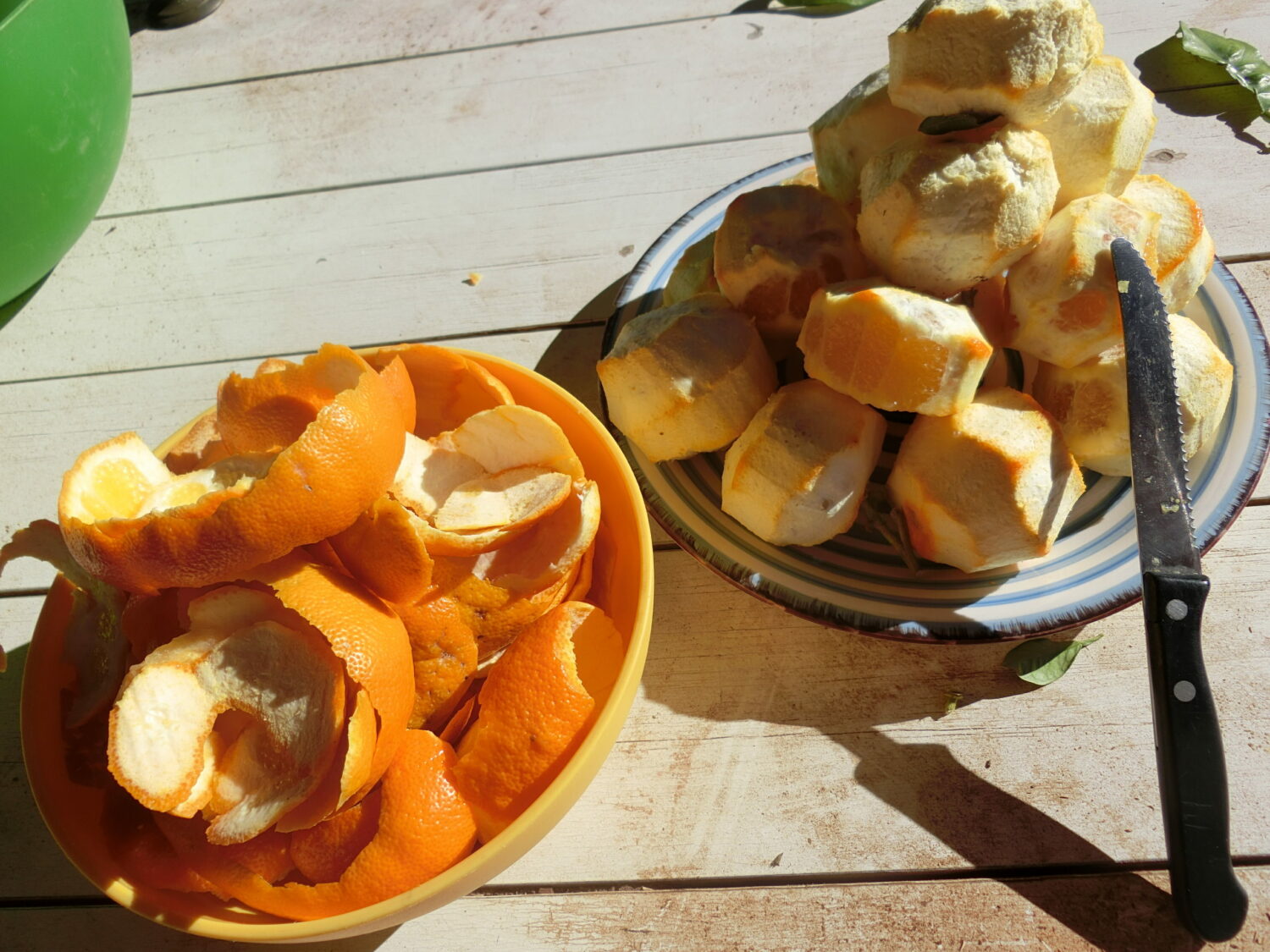
La buccia veniva rimossa ed essiccata per poterla conservare ed utilizzare come digestivo [13].
PESTICIDA, LARVICIDA
L’olio essenziale estratto dalla buccia è stato impiegato con successo come fumigante sull’sleirode degli orti (Bemisia tabaci) [85], in un altri esperimenti ha mostrato una marcata azione larvicida sulla zanzare Anopheles labranchia e stephensi superiore a quella del Citrus sinensis [86].
Ha provocato la morte di diverse specie di afidi nelle seguenti percentuali: 74% Acyrtosiphon pisum, 74% Rhopalosiphum padi, 60% Aphis fabae e 54% Macrosiphum euphorbiae in maniera concentrazione dipendente [87].
Ha mostrato effetti tossici anche nei confronti del lepidottoro parassita Spodoptera frugiperda [88] e del ragnetto rosso (Tetranychus urticae) [89]; potrebbe avere importanti applicazioni anche in agricoltura.
L’arancia amara contiene
-flavonoidi: esperetina, naringenina, naringina, narirutina, neoesperidina, apigenina, luteolina, diosmetina, nobiletina, desmetil nobiletina, tangeretina, kaempferolo, quercetina;
-limonoidi: limonina, nomilina, obacunone, ichangina, deacetil nomilina;
-alcaloidi: m-octopamina, acetil octapamina, p-sineprina, m-sineprina, isopropilnorsineprina, n-metiltiramina e ordenina;
-monoterpeni: limonene, α-pinene, β-pinene, β-myrcene, ocimene, γ-terpinene, ossido di linalolo, isoterpinolene, α-terpinolene, linalil acetato, sabinene acetato, neril acetato, geranil acetato;
-triterpeni: squalene;
-sesquiterpeni: cariofillene, germacrene-D, nerolidolo;
-furanocumarine: bergaptene, ossipeucedanina
-amminoacidi: triptofano, tiramina, adenosina, asparigina, valina, isoleucina, alanina;
-acidi grassi: acido palmitico, stearico, laurico, miristico, eicosanoico, oleico e linolenico;
-steroli: ergostadienolo, β-daucosterolo, β-sitosterolo
Nelle foglie sono state identificate anche tracce di triptamina, metiltriptamina (NMT), trimetiltriptamina (TMT), serotonina (5-HT), bufotenina (5-HO-DMT) ed altre triptamine [90].
La buccia è la parte più ricca di sineprina ed alcaloidi feniletilamminici [91].
1)Dioscórides, et al. Acerca de la materia medicinal y de los venenos mortíferos. Ediciones de Arte y Bibliofilia, 1983.
2)Arab Firouzjaei, Z., et al. “The Effect of Citrus Aurantium Aroma on Sleep Quality in the Elderly with Heart Failure.” Journal of Babol University of Medical Sciences 21.1 (2019): 181-187.
3)Bibalani, G. H., & Mosazadeh-Sayadmahaleh, F. (2011). Recognition and consumption uses and medicinal properties of sour orange (Citrus aurantium) by rural people in East part of Gilan Province (North Iran). Journal of Medicinal Plants Research, 5(7), 1238-1243.
4)Chen, John K., Tina T. Chen, and Laraine Crampton. Chinese medical herbology and pharmacology. Vol. 1267. City of Industry, CA: Art of Medicine Press, 2004.
5)Karthikeyan, V., and J. Karthikeyan. “Citrus aurantium (bitter orange): A review of its traditional uses, phytochemistry and pharmacology.” International journal of drug discovery and herbal research 4.4 (2014): 766-772.
6)Paul, Alexandra, and Paul A. Cox. “An ethnobotanical survey of the uses for Citrus aurantium (Rutaceae) in Haiti.” Economic Botany 49.3 (1995): 249-256.
7)Stohs, S. J., and M. Shara. “A review of the safety and efficacy of Citrus aurantium in weight management.” Obesity: Epidemiology, pathophysiology, and prevention (2007): 371-382.
8)Oliveira, Danilo R., et al. “Ethnopharmacological evaluation of medicinal plants used against malaria by quilombola communities from Oriximiná, Brazil.” Journal of ethnopharmacology 173 (2015): 424-434.
9)Oliveira, Danilo R., et al. “Ethnopharmacological evaluation of medicinal plants used against malaria by quilombola communities from Oriximiná, Brazil.” Journal of ethnopharmacology 173 (2015): 424-434.
10)Segun, Peter A., et al. “Acridone alkaloids from the stem bark of Citrus aurantium display selective cytotoxicity against breast, liver, lung and prostate human carcinoma cells.” Journal of ethnopharmacology 227 (2018): 131-138.
11)Suryawanshi, JA Saonere. “An overview of Citrus aurantium used in treatment of various diseases.” African Journal of Plant Science 5.7 (2011): 390-395.
12)M. Aleo, Dsrio AZZARO, Salvatore Cambria, & Giuseppe Bazan. (2020). Indagini etnobotaniche nel territorio di Paceco (Sicilia occidentale).
13)Alonso de Herrera, Gabriel. “Obra de agricultura (1513).” Madrid, Ediciones Atlas (1970).
14)Brown, C. M., et al. “Activities of octopamine and synephrine stereoisomers on α‐adrenoceptors.” British journal of pharmacology 93.2 (1988): 417-429.
15)Jordan, Roy, et al. “β‐Adrenergic activities of octopamine and synephrine stereoisomers on guinea‐pig atria and trachea.” Journal of pharmacy and pharmacology 39.9 (1987): 752-754.
16)Kim, Kee-Won, et al. “Characterization of antidepressant-like effects of p-synephrine stereoisomers.” Naunyn-Schmiedeberg’s archives of pharmacology 364.1 (2001): 21-26.
17)National Toxicology Program. “NTP Toxicology and Carcinogenesis Studies of Phenylephrine Hydrochloride (CAS No. 61-76-7) in F344/N Rats and B6C3F1 Mice (Feed Studies).” National Toxicology Program technical report series 322 (1987): 1-172.
18)Mooney, Robert A., and Jay M. McDonald. “Effect of phenylephrine on lipolysis in rat adipocytes: no evidence for an alpha-adrenergic mechanism.” The International journal of biochemistry 16.1 (1984): 55-59.
19)Kliszczewicz, Brian, et al. “Citrus Aurantium and caffeine complex versus placebo on biomarkers of metabolism: A double blind crossover design.” Journal of the International Society of Sports Nutrition 16.1 (2019): 1-7.
20)Desfaits, Anne-Cécile, Julie Lafond, and Roland Savard. “The effects of a selective alpha-1 adrenergic blockade on the activity of adipose tissue lipoprotein lipase in female hamsters.” Life sciences 57.7 (1995): 705-713.
21)National Toxicology Program. “NTP toxicology and carcinogenesis studies of ephedrine sulfate (CAS no. 134-72-5) in F344/N rats and B6C3F1 mice (feed studies).” National Toxicology Program technical report series 307 (1986): 1-186.
22)Colker, Carlon M., et al. “Effects of Citrus aurantium extract, caffeine, and St. John’s wort on body fat loss, lipid levels, and mood states in overweight healthy adults.” Current Therapeutic Research 60.3 (1999): 145-153.
23)Jones, Dennis. “Regulation of appetite, body weight and athletic function with materials derived from citrus varieties.” U.S. Patent No. 6,224,873. 1 May 2001.
24)Kalman, Douglas S., et al. “Effects of a weight-loss aid in healthy overweight adults: double-blind, placebo-controlled clinical trial.” Current therapeutic research 61.4 (2000): 199-205.
25)Preuss, Harry G., et al. “Citrus aurantium as a thermogenic, weight-reduction replacement for ephedra: an overview.” Journal of medicine 33.1-4 (2002): 247-264.
26)Gougeon, Réjeanne, et al. “Increase in the thermic effect of food in women by adrenergic amines extracted from Citrus aurantium.” Obesity research 13.7 (2005): 1187-1194.
27)Lopes, Jane Mello, et al. “Citrus x aurantium essential oil as feed additive improved growth performance, survival, metabolic, and oxidative parameters of silver catfish (Rhamdia quelen).” Aquaculture Nutrition 25.2 (2019): 310-318.
28)Ratamess, Nicholas A., et al. “The effects of supplementation with P-Synephrine alone and in combination with caffeine on resistance exercise performance.” Journal of the International Society of Sports Nutrition 12.1 (2015): 1-11.
29)Carvalho-Freitas, Maria Isabel Roth, and Mirtes Costa. “Anxiolytic and sedative effects of extracts and essential oil from Citrus aurantium L.” Biological and Pharmaceutical Bulletin 25.12 (2002): 1629-1633.
30)Abbasnejad, M., H. Jonaidi, and Maryam Yousefi. “Sedative effects of flower extracts from sour orange (Citrus aurantium L.) in rats.” Психофармакология и биологическая наркология 5.2 (2005).
31)Kamalifard, Mahin, et al. “Comparison of the effect of lavender and bitter orange on sleep quality in postmenopausal women: a triple-blind, randomized, controlled clinical trial.” Women & health 58.8 (2018): 851-865.
32)Arab Firouzjaei, Z., et al. “The Effect of Citrus Aurantium Aroma on Sleep Quality in the Elderly with Heart Failure.” Journal of Babol University of Medical Sciences 21.1 (2019): 181-187.
33)Motaghi, Sahel, et al. “Behavioral and electrophysiological evidence for attenuation of CNS by aqueous extract from Citrus aurantium (CaL) flowers in rat.” Comparative Clinical Pathology 25.4 (2016): 769-774.
34)de Moraes Pultrini, Aline, Luciane Almeida Galindo, and Mirtes Costa. “Effects of the essential oil from Citrus aurantium L. in experimental anxiety models in mice.” Life sciences 78.15 (2006): 1720-1725.
35)Neto, G. Chaves, et al. “Anxiolytic effect of Citrus aurantium L. in crack users.” Evidence-Based Complementary and Alternative Medicine 2017 (2017): 8.
36)Mannucci, Carmen, et al. “Clinical Pharmacology of Citrus aurantium and Citrus sinensis for the Treatment of Anxiety.” Evidence-Based Complementary and Alternative Medicine 2018 (2018).
37)Costa, Celso ARA, et al. “Citrus aurantium L. essential oil exhibits anxiolytic-like activity mediated by 5-HT 1A-receptors and reduces cholesterol after repeated oral treatment.” BMC complementary and alternative medicine 13.1 (2013): 1-10.
38)Abbasnejad, M., et al. “Effect of hydro-methanolic extract of sour orange flowers, Citrus aurantium, on pentylentetrazole induced seizure in male rats.” Journal of Babol University of Medical Sciences 14.5 (2012): 20-28.
39)Azanchi, Taravat, Hamed Shafaroodi, and Jinous Asgarpanah. “Anticonvulsant activity of Citrus aurantium blossom essential oil (neroli): involvment of the GABAergic system.” Natural product communications 9.11 (2014): 1615-1618.
40)Rosa-Falero, Coral, et al. “Citrus aurantium increases seizure latency to PTZ induced seizures in zebrafish thru NMDA and mGluR’s I and II.” Frontiers in pharmacology 5 (2015): 284.
41)Wu, Ming, et al. “Identification of the chemical constituents in aqueous extract of Zhi-Qiao and evaluation of its antidepressant effect.” Molecules 20.4 (2015): 6925-6940.
42)HASHEMI, SHAHRAKI FARIBA, et al. “Antidepressant-Like Effect of Lavandula Angustifolia Mill and Citrus Aurantium Duh Essential Oils with Forced Swimming Test in Reserpinized Mice Balb/C.” (2017): 77-85.
43)Leite, M. P., Fassin Jr, J., Baziloni, E. M., Almeida, R. N., Mattei, R., & Leite, J. R. (2008). Behavioral effects of essential oil of Citrus aurantium L. inhalation in rats. Revista Brasileira de Farmacognosia, 18, 661-666.
44)Song, Dong-Keun, et al. “Antidepressant-like effects of p-synephrine in mouse models of immobility tests.” Neuroscience letters 214.2-3 (1996): 107-110.
45)Kim, Kee-Won, et al. “Characterization of antidepressant-like effects of p-synephrine stereoisomers.” Naunyn-Schmiedeberg’s archives of pharmacology 364.1 (2001): 21-26.
46)Xing, Hang, et al. “Antidepressant-like effect of the water extract of the fixed combination of Gardenia jasminoides, Citrus aurantium and Magnolia officinalis in a rat model of chronic unpredictable mild stress.” Phytomedicine 22.13 (2015): 1178-1185.
47)Jung, Y. Peter, et al. “Effects of acute ingestion of a pre-workout dietary supplement with and without p-synephrine on resting energy expenditure, cognitive function and exercise performance.” Journal of the International Society of Sports Nutrition 14.1 (2017): 1-15.
48)Rahnama, Samira, et al. “Anti-amnesic activity of Citrus aurantium flowers extract against scopolamine-induced memory impairments in rats.” Neurological Sciences 36.4 (2015): 553-560.
49)Zarrad, Khaoula, et al. “Chemical composition, fumigant and anti-acetylcholinesterase activity of the Tunisian Citrus aurantium L. essential oils.” Industrial crops and products 76 (2015): 121-127.
50)Lee, Hae Jin, et al. “Ameliorating effect of Citrus aurantium extracts and nobiletin on β‑amyloid (1‑42)‑induced memory impairment in mice.” Molecular medicine reports 20.4 (2019): 3448-3455.
51)Sattarahmady, N., et al. “Investigation of amyloid formation inhibition of chemically and biogenically from Citrus aurantium L. blossoms and Rose damascena oils of gold nanoparticles: toxicity evaluation in rat pheochromocytoma PC12 cells.” International journal of biological macromolecules 112 (2018): 703-711.
52)Abou Baker, Doha H., et al. “Exploiting Citrus aurantium seeds and their secondary metabolites in the management of Alzheimer disease.” Toxicology reports 7 (2020): 723-729.
53)Kang, Sang Rim, et al. “Anti-inflammatory effect of flavonoids isolated from Korea Citrus aurantium L. on lipopolysaccharide-induced mouse macrophage RAW 264.7 cells by blocking of nuclear factor-kappa B (NF-κB) and mitogen-activated protein kinase (MAPK) signalling pathways.” Food Chemistry 129.4 (2011): 1721-1728.
54)Kim, Jin‐A., et al. “Suppressive effect of flavonoids from Korean Citrus aurantium L. on the expression of inflammatory mediators in L6 skeletal muscle cells.” Phytotherapy Research 26.12 (2012): 1904-1912.
55)Khodabakhsh, Pariya, Hamed Shafaroodi, and Jinous Asgarpanah. “Analgesic and anti-inflammatory activities of Citrus aurantium L. blossoms essential oil (neroli): involvement of the nitric oxide/cyclic-guanosine monophosphate pathway.” Journal of natural medicines 69.3 (2015): 324-331.
56)Abdi-Azar, Hamed, and SaeidAbbasi Maleki. “Comparison of the anesthesia with thiopental sodium alone and their combination with Citrus aurantium L.(Rutaseae) essential oil in male rat.” Bull. Environ. Pharmacol. Life Sci 3 (2014): 37-44.
57)Heydari, N., et al. “Investigation of the effect of aromatherapy with Citrus aurantium blossom essential oil on premenstrual syndrome in university students: A clinical trial study.” Complementary therapies in clinical practice 32 (2018): 1-5.
58)Shen, Chun-Yan, et al. “Immune enhancement effects and extraction optimization of polysaccharides from Citrus aurantium L. var. amara Engl.” Food & function 8.2 (2017): 796-807.
59)Shen, Chun-Yan, et al. “Structural characterization and immunomodulatory activity of novel polysaccharides from Citrus aurantium Linn. variant amara Engl.” Journal of Functional Foods 35 (2017): 352-362.
60)Karimi, Ehsan, et al. “Phenolic compounds characterization and biological activities of Citrus aurantium bloom.” Molecules 17.2 (2012): 1203-1218.]
61)Lee, Do-Hoon, et al. “Flavonoids isolated from Korea Citrus aurantium L. induce G2/M phase arrest and apoptosis in human gastric cancer AGS cells.” Evidence-Based Complementary and Alternative Medicine 2012 (2012).
62)Lee, Seung Hwan, et al. “Flavonoids of Korean Citrus aurantium L. induce apoptosis via intrinsic pathway in human hepatoblastoma HepG2 cells.” Phytotherapy research 29.12 (2015): 1940-1949.
63)Zhao, Hai-Yan, et al. “Bioactivity evaluations of ingredients extracted from the flowers of Citrus aurantium L. var. amara Engl.” Food chemistry 135.4 (2012): 2175-2181.
64)Segun, Peter A., et al. “Acridone alkaloids from the stem bark of Citrus aurantium display selective cytotoxicity against breast, liver, lung and prostate human carcinoma cells.” Journal of ethnopharmacology 227 (2018): 131-138.
65)Mencherini, Teresa, et al. “HPLC-PDA-MS and NMR characterization of a hydroalcoholic extract of Citrus aurantium L. var. amara peel with antiedematogenic activity.” Journal of agricultural and food chemistry 61.8 (2013): 1686-1693.
66)Liu, Han, et al. “Danhong Huayu Koufuye prevents venous thrombosis through antiinflammation via Sirtuin 1/NF-κB signaling pathway.” Journal of ethnopharmacology 241 (2019): 111975.
67)Moraes, Thiago Mello, et al. “Healing actions of essential oils from Citrus aurantium and d-limonene in the gastric mucosa: the roles of VEGF, PCNA, and COX-2 in cell proliferation.” Journal of medicinal food 16.12 (2013): 1162-1167.
68)Bonamin, Flavia, et al. “The effect of a minor constituent of essential oil from Citrus aurantium: The role of β-myrcene in preventing peptic ulcer disease.” Chemico-biological interactions 212 (2014): 11-19.
69)Shu, Yisong, et al. “Hepatoprotective effect of Citrus aurantium L. against APAP-induced liver injury by regulating liver lipid metabolism and apoptosis.” International journal of biological sciences 16.5 (2020): 752.
70)Mahmoud, Mona F., et al. “Hepatoprotective effect of limonin, a natural limonoid from the seed of Citrus aurantium var. bigaradia, on D-galactosamine-induced liver injury in rats.” Naunyn-Schmiedeberg’s archives of pharmacology 387.3 (2014): 251-261.
71)Wang, Hang, et al. “Evaluation of hepatoprotective effect of Zhi-Zi-Da-Huang decoction and its two fractions against acute alcohol-induced liver injury in rats.” Journal of ethnopharmacology 126.2 (2009): 273-279.
72)Ullah, Naveed, et al. “Nephroprotective potentials of Citrus Aurantium: A prospective pharmacological study on experimental models.” Pakistan journal of pharmaceutical sciences 27.3 (2014): 505-510.
73)Wang, Rui, et al. “Citrus aurantium ameliorates cisplatin-induced nephrotoxicity.” BioMed research international 2019 (2019).
74)Fathi, H., et al. “Evaluation of antiemetic effect of metabolic, aesthetic and aqueous extracts of Citrus aurantium L. on chicken.” Journal of Gorgan University of Medical Sciences 18.3 (2016): 34-39.
75)Gao, Meng, and Wuliang Yang. “Effects of Citrus aurantium L. on Gastrointestinal Motility and Gastric Cancer Cell Proliferation.” Cancer Biotherapy & Radiopharmaceuticals (2020).
76)Matev, M., et al. “Use of an herbal combination with laxative action on duodenal peptic ulcer and gastroduodenitis patients with a concomitant obstipation syndrome.” Vutreshni bolesti 20.6 (1981): 48-51.
77)Marzouk, Brahim. “Characterization of bioactive compounds in Tunisian bitter orange (Citrus aurantium L.) peel and juice and determination of their antioxidant activities.” BioMed research international 2013 (2013).
78)Dakhil, Rifat Mohammed, et al. “Inhibitive impacts extract of Citrus aurantium leaves of carbon steel in corrosive media.” Green Chemistry Letters and Reviews 11.4 (2018): 559-566.
79)Dadashi, Masoud, et al. “Antibacterial effects of Citrus aurantium on bacteria isolated from urinary tract infection.” Research in Molecular Medicine 3.4 (2015): 47-50.
80)Degirmenci, Huseyin, and Hatice Erkurt. “Chemical profile and antioxidant potency of Citrus aurantium L. flower extracts with antibacterial effect against foodborne pathogens in rice pudding.” LWT 126 (2020): 109273.
81)Metoui, N., et al. “Activity antifungal of the essential oils; aqueous and ethanol extracts from Citrus aurantium L.” Natural product research 29.23 (2015): 2238-2241.
82)Trabelsi, Dhekra, et al. “Chemical composition and antifungal activity of essential oils from flowers, leaves and peels of Tunisian Citrus aurantium against Penicillium digitatum and Penicillium italicum.” Journal of Essential Oil Bearing Plants 19.7 (2016): 1660-1674.
83)Elgat, Wael AA, et al. “Eucalyptus camaldulensis, Citrus aurantium, and Citrus sinensis Essential Oils as Antifungal Activity against Aspergillus flavus, Aspergillus niger, Aspergillus terreus, and Fusarium culmorum.” Processes 8.8 (2020): 1003.
84)Nidhi, Prakriti, et al. “Synergistic potential of Citrus aurantium L. essential oil with antibiotics against Candida albicans.” Journal of Ethnopharmacology 262 (2020): 113135.
85)Zarrad, Khaoula, et al. “Chemical composition, fumigant and anti-acetylcholinesterase activity of the Tunisian Citrus aurantium L. essential oils.” Industrial crops and products 76 (2015): 121-127.
86)El-Akhal, Fouad, Abdelhakim El Ouali Lalami, and Raja Guemmouh. “Larvicidal activity of essential oils of Citrus sinensis and Citrus aurantium (Rutaceae) cultivated in Morocco against the malaria vector Anopheles labranchiae (Diptera: Culicidae).” Asian Pacific Journal of Tropical Disease 5.6 (2015): 458-462.
87)Chaieb, Ikbal, et al. “Chemical composition and aphicidal potential of Citrus aurantium peel essential oils.” Entomol Gen 37 (2018): 63-75.
88)Villafañe, Emilio, et al. “Toxic effects of Citrus aurantium and C. limon essential oils on Spodoptera frugiperda (Lepidoptera: Noctuidae).” Natural product communications 6.9 (2011): 1934578X1100600941.
89)da Camara, Claudio AG, et al. “Repellent activity of essential oils from two species of Citrus against Tetranychus urticae in the laboratory and greenhouse.” Crop Protection 74 (2015): 110-115.
90)Servillo, Luigi, et al. “Citrus genus plants contain N-methylated tryptamine derivatives and their 5-hydroxylated forms.” Journal of agricultural and food chemistry 61.21 (2013): 5156-5162.
91)Rossato, Luciana Grazziotin, et al. “Synephrine: from trace concentrations to massive consumption in weight-loss.” Food and chemical toxicology 49.1 (2011): 8-16.
Tutte le informazioni presenti su questo sito sono fornite a solo scopo informativo ed educativo.
Non costituiscono in alcun modo invito all’uso improprio, a pratiche pericolose o a comportamenti contrari alla legge.
I contenuti relativi a etnobotanica, chimica e farmacologia delle specie trattate hanno finalità esclusivamente divulgative e non intendono suggerire usi medicinali o alimentari.
Eventuali descrizioni di effetti o sintomi da intossicazione sono riportate unicamente in un’ottica di informazione scientifica e riduzione del rischio.
I prodotti venduti (incensi, aromi naturali per ambienti, coloranti naturali, sementi, materiale botanico da esposizione, materie prime per detergenti e candele naturali) non sono destinati al consumo umano.
Si invita a leggere attentamente Termini e Condizioni prima di effettuare un eventuale acquisto.
Informazioni aggiuntive
| Peso | N/A |
|---|
Devi effettuare l’accesso per pubblicare una recensione.
Il diritto di recesso non si applica a questo prodotto.
Related products

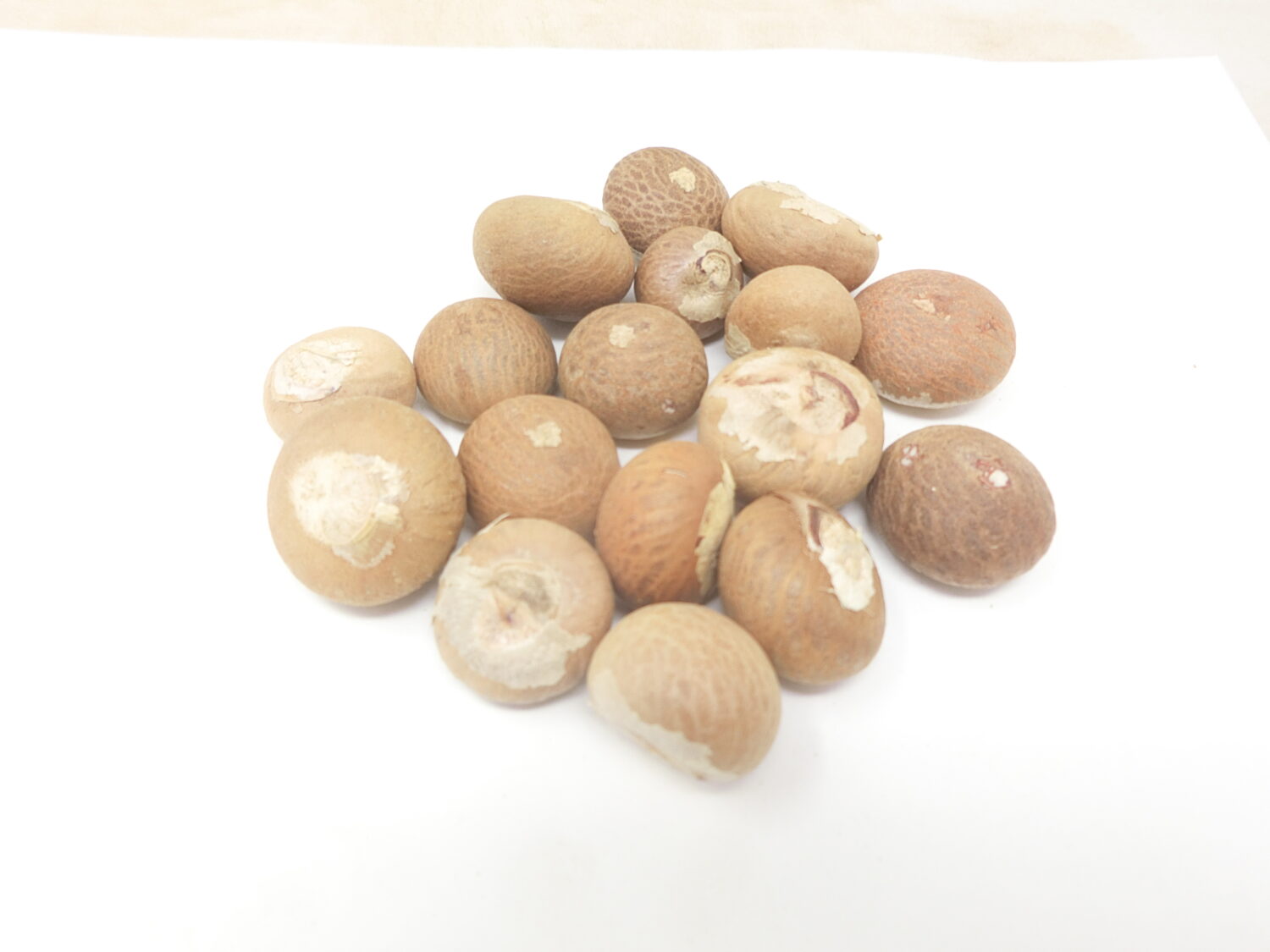
Le noci di betel sono un prodotto estremamente popolare in Asia.
LA NOCE DI BETEL E’ TOSSICA E NON E’ ADATTA AL CONSUMO UMANO, E’ DESTINATA SOLTANTO AD ESPOSIZIONE ED APPLICAZIONI COSMETICHE.
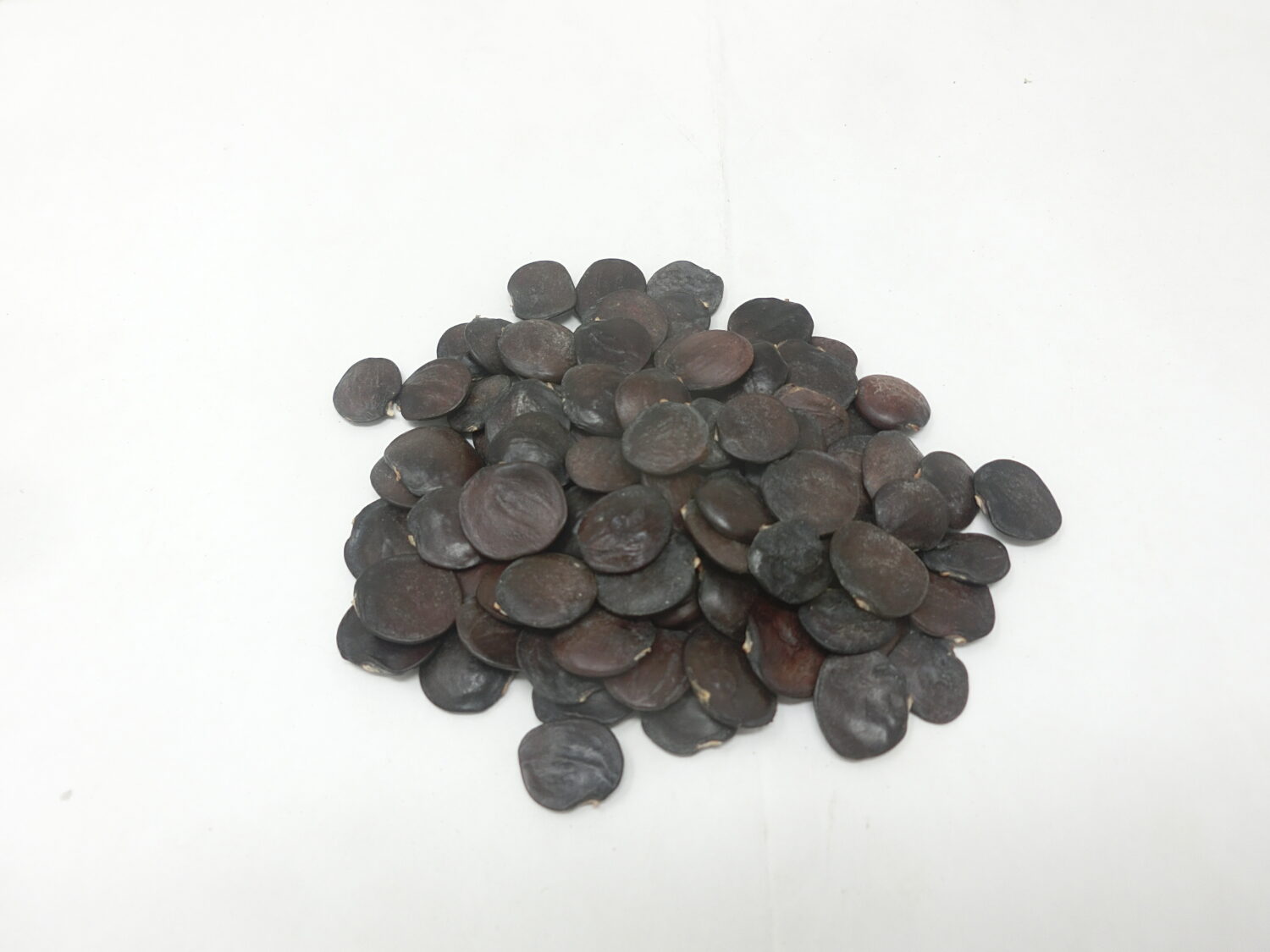
€5.50Vendita semi da coltivazione di Argyreia obtusifolia, una Convolvulacea rara nativa di Cina ed Indocina.
QUESTE SEMENTI CONTENGONO ALCALOIDI TOSSICI E VANNO TENUTE FUORI DALLA PORTATA DI BAMBINI ED ANIMALI DOMESTICI. SONO DESTINATE ESCLUSIVAMENTE ALLA COLTIVAZIONE A SCOPO ORNAMENTALE.
€5.90
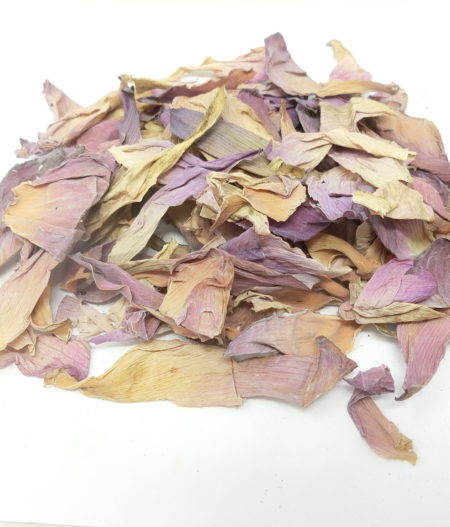
Fiore esotico dal delicato colore rosa, il loto indiano è una pianta acquatica molto appariscente.
Il fitocomplesso varia notevolmente in base alle parti della pianta.
NON E’ UN FITOFARMACO O UN SUPPLEMENTO ALIMENTARE, MA UN ARTICOLO NON ADATTO AL CONSUMO UMANO DESTINATO SOLTANTO AD ESPOSIZIONE E FUMIGAZIONI IN AMBIENTI APERTI.
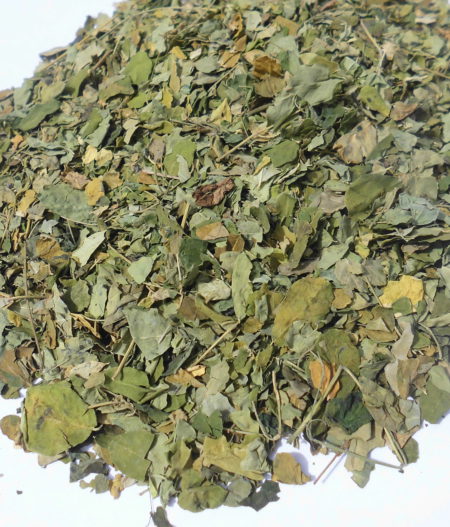
€9.90Moringa oleifera viene anche chiamata albero dei miracoli per le sue straordinarie proprietà, è una delle principali piante della tradizione ayurvedica.
In Africa rappresenta un importante fonte alimentare, la foglia secca è ricca di componenti pregiate e composti antiossidanti.
⚠️ NOTA TECNICA E DESTINAZIONE D’USO
Questo lotto è costituito esclusivamente da foglia essiccata di Moringa oleifera. Il prodotto è commercializzato e catalogato unicamente come campione da erbario o ingrediente per detergenti e candele naturali.
RESTRIZIONI D’USO: Viene venduta soltanto come foglia essiccata all’ingrosso o al dettaglio e non come integratore alimentare o specialità medicinale pronta all’uso. Il venditore non fornisce indicazioni terapeutiche né posologie umane. Il materiale non deve essere inteso come sostituto di terapie mediche. Tenere fuori dalla portata dei bambini.
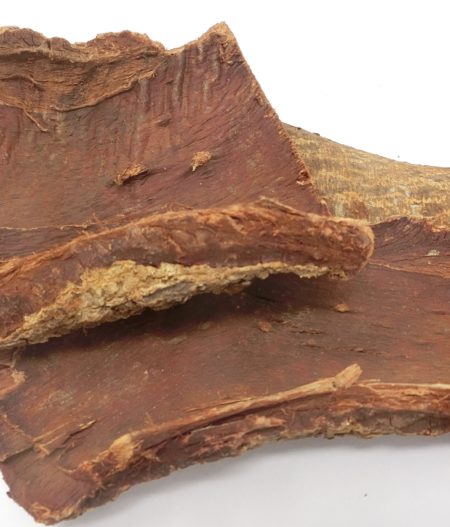
€4.90Acacia confusa è una pianta originaria di Taiwan e del Sudest Asiatico, che è stata naturalizzata anche nelle isole delle Hawaii. Come altre specie del genere Mimosa, trova largo impiego nella colorazione dei tessuti e nella concia del pellame.
Per l’uso come colorante basta mischiare la polvere con dell’acqua ed immergerci i capi o gli oggetti da colorare che poi andranno asciugati senza risciaquarli, più li si lascia a mollo più il colore sarà accesso.
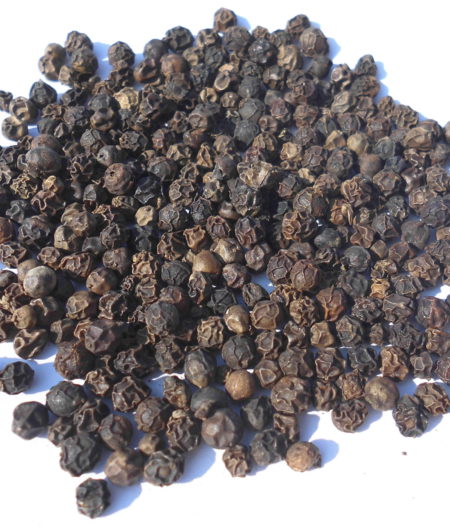
€8.97Il pepe nero viene considerato il re delle spezie: è aroma ormai noto in tutto il mondo.
In diversi studi il fumo prodotto dalla combustione del pepe nero e del relativo olio essenziale ha mostrato un marcato effetto repellente nei confronti di diversi parassiti come la comune zanzara.
NON E’ UN FITOFARMACO O UN SUPPLEMENTO ALIMENTARE, MA UN ARTICOLO NON ADATTO AL CONSUMO UMANO DESTINATO SOLTANTO A PRODUZIONI COSMETICHE E FUMIGAZIONI IN AMBIENTI APERTI.
€7.90

Recensioni
Ancora non ci sono recensioni.