
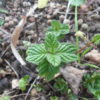
Menta piperita (Mentha piperita)
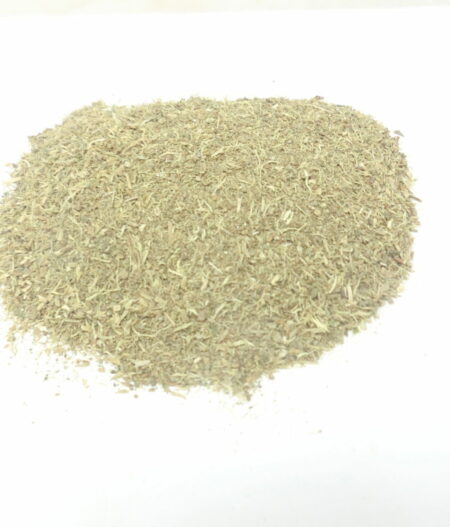
€5.90
In StockDa sempre sinonimo di freschezza e pulizia: viene usata in cucina, negli alcolici, nella produzione di detergenti e cosmetici.
In uno studio condotto su volontari sani l’aroma dell’olio essenziale di menta piperita ha potenziato la memoria favorendo anche il grado di vigilanza del campione.
NON E’ UN FITOFARMACO O UN SUPPLEMENTO ALIMENTARE, MA UN ARTICOLO NON ADATTO AL CONSUMO UMANO DESTINATO AD AROMATERAPIA ED APPLICAZIONI ESTERNE.
Descrizione
Descrizione
Ordine: Lamiales
Famiglia: Lamiaceae
Sottofamiglia: Nepetoideae
Tribù: Mentheae
Genere: Mentha
Specie: M. piperita
Origine: Europa, Medio Oriente
Plant Hardiness Zone: 4-11
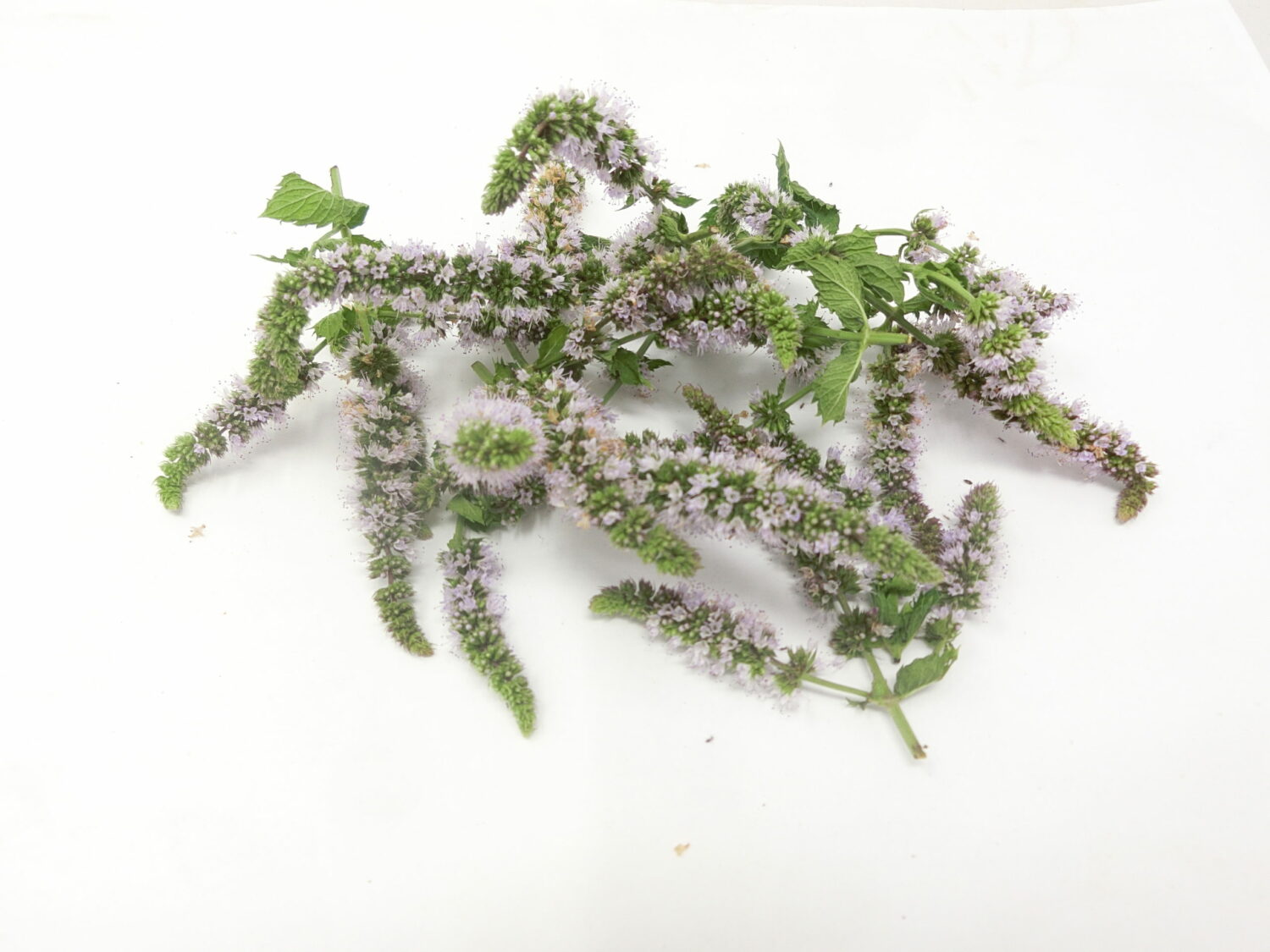
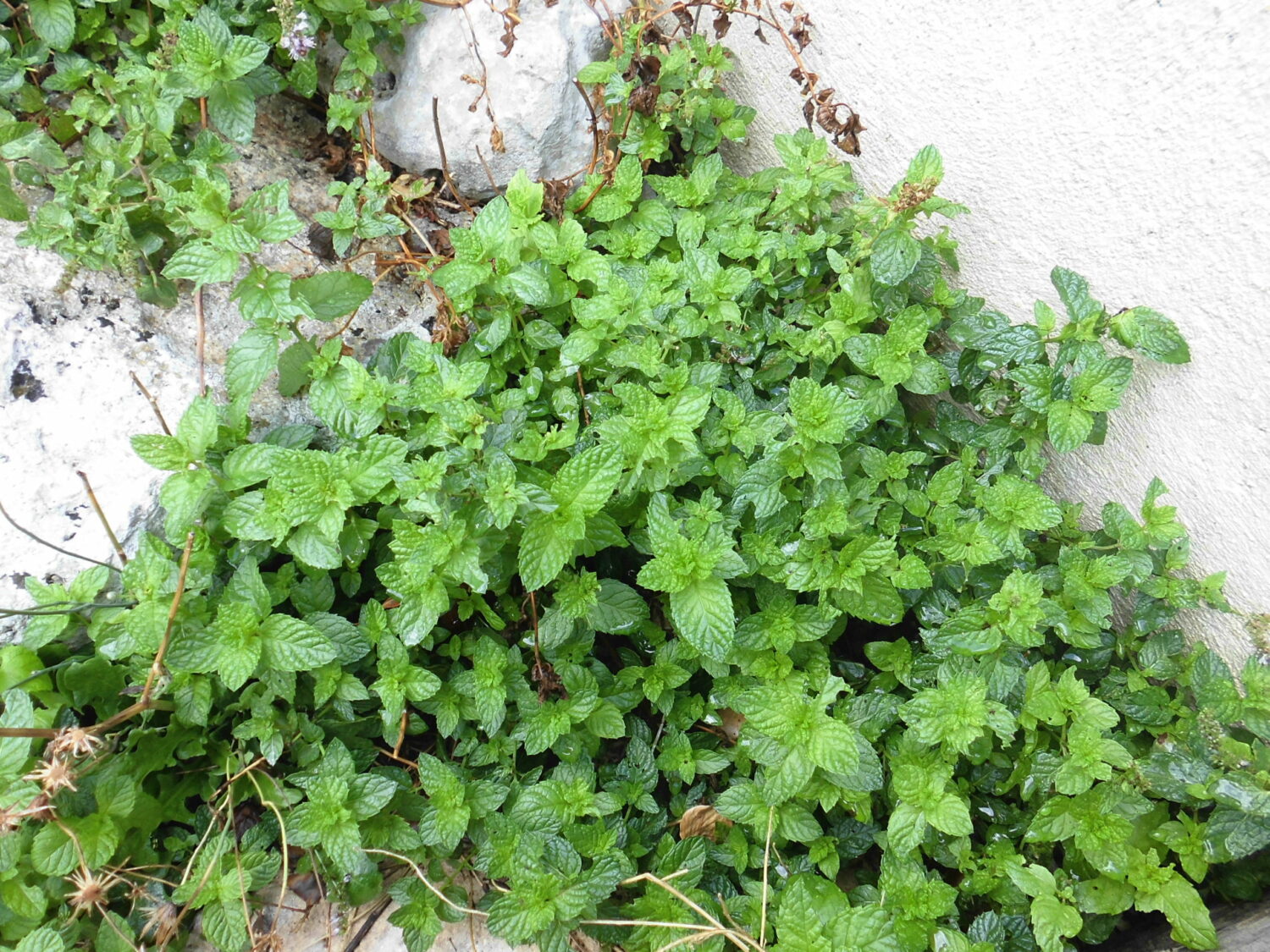
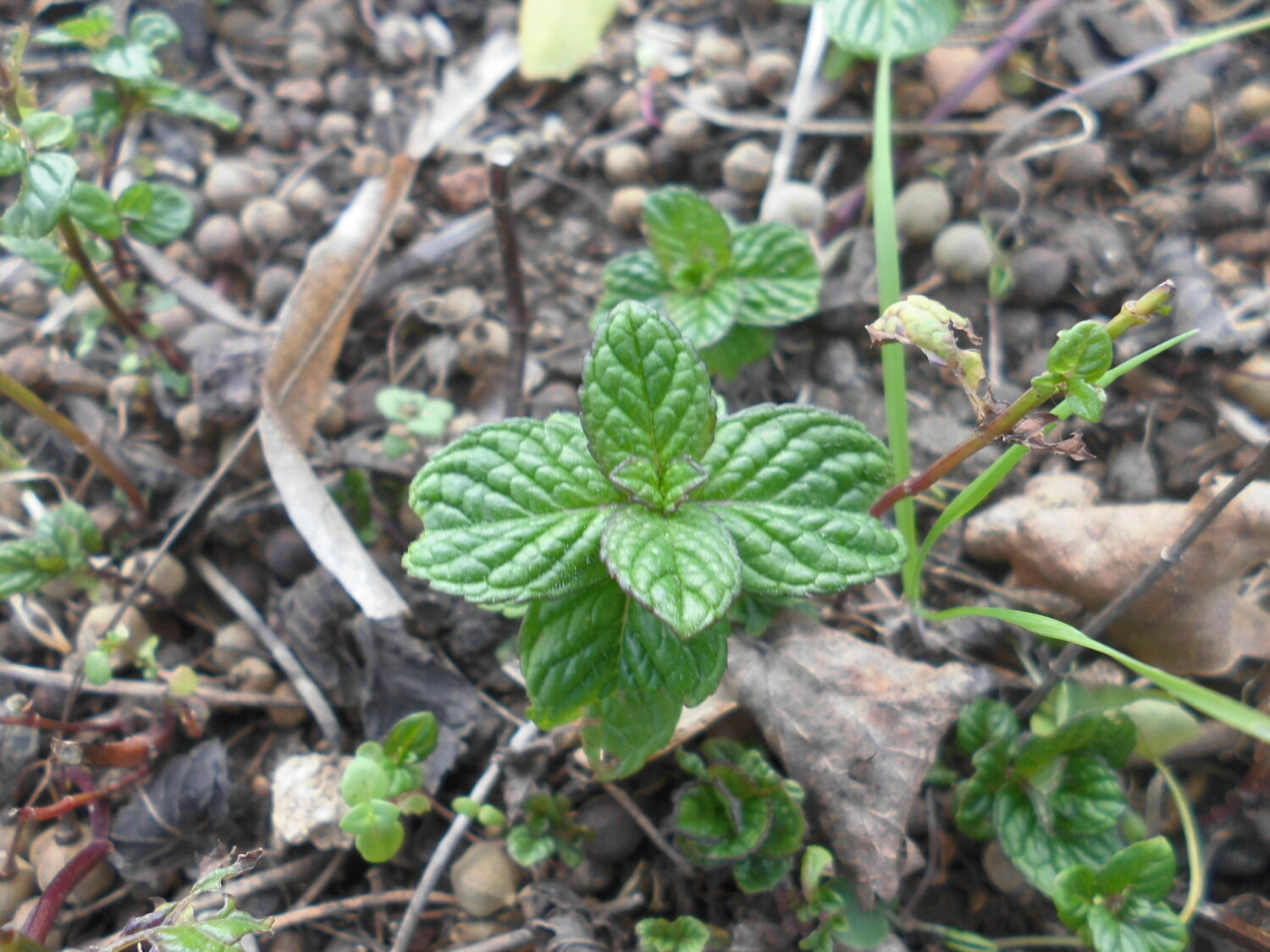
La menta piperita (Mentha piperita) è una pianta aromatica perenne che cresce fino a 1m d’altezza, ha radici molto robuste.
Lo stelo è squadrato, sviluppa delle foglie lunghe fino a quasi 10cm di forma ovale e dai margini ruvidi.
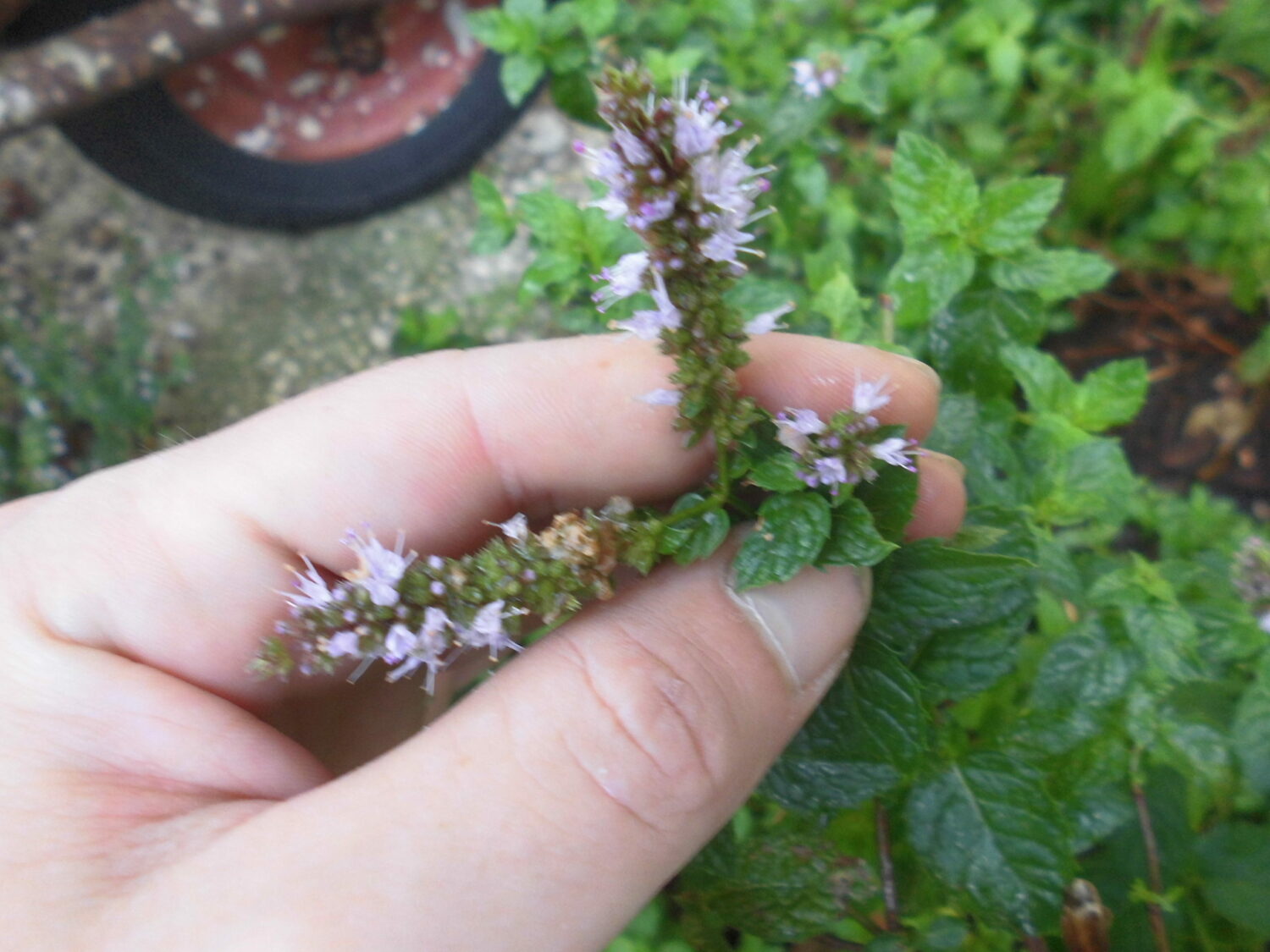
Produce sottili infiorescenze bianco-rosate lunghe fino a 3mm dall’aroma molto forte che attrae tantissimi insetti.
Ordine: Lamiales
Famiglia: Lamiaceae
Sottofamiglia: Nepetoideae
Tribù: Mentheae
Genere: Mentha
Specie: M. piperita
Origine: Europa, Medio Oriente
Plant Hardiness Zone: 4-11
La menta piperita (Mentha piperita) è una pianta aromatica perenne che cresce fino a 1m d’altezza, ha radici molto robuste.
Lo stelo è squadrato, sviluppa delle foglie lunghe fino a quasi 10cm di forma ovale e dai margini ruvidi.
Produce sottili infiorescenze bianco-rosate lunghe fino a 3mm dall’aroma molto forte che attrae tantissimi insetti.
Coltivazione
La menta è una pianta robusta, molto semplice da coltivare:
-Pressare lievemente i semi a distanza di 90cm l’uno dall’altro in un contenitore con un comune terriccio a mezza esposizione solare ben drenante ad inizio primavere
-Mantenere umido il terriccio fino alla germinazione (12-16 giorni)
-Non necessità di cure particolari, ama il sole e resiste alla siccità.
Nella mitologia greca Proserpina trasformò Mintha, una ninfa e rivale amorosa, in menta: il nome della pianta in Greco significa “bellezza mutata”.
La pianta era nota come fonte alimentare e medicina ad antichi Greci e Romani [1].
La Mentha piperita veniva coltivata dagli Egiziani: nel Papiro Ebers, un antico testo medico risalente al 1550 a.C., il decotto di foglie veniva indicato come rimedio per ansia e coliche gastriche.
Era anche impiegata come una forma di moneta, del fogliame secco è stato rinvenuto nelle piramidi [2].
Viene menzionata in Matteo XXIII come un’erba dal grande valore usata dai Farisei come decima.
Nella regione Arabica e Nord-africana la Mentha piperita costituisce l’aroma principale del te Tuareg.
In Iran vanta una lunga tradizione come carminativo, stimolante, tonico, antivirale ed antimicotico.
Nella Medicina Tradizionale Cinese il decotto a base di menta piperita viene consumato contro nausea, vomito, dolore addominale, indigestione e disturbi epatici.
L’olio viene applicato localmente per trattare dolori articolari e punture d’insetto, oltre che impiegato in aromaterapia per favorire la concentrazione e le capacità cognitive.
In Europa viene usata da sempre in medicina popolare nel trattamento di spasmi dolorosi, disturbi mestruali, reumatismi, dolori muscolari, pressione bassa, mal di testa, infezioni, raffreddori, disturbi gastrici, mal di gola, tosse, bronchite, infiammazioni del cavo orale, mal di denti, crampi e cancro.
Nel corso del XIV secolo si diffusero dentifrici a base di menta per lo sbiancamento dei denti (il mentolo è uno degli ingredienti ancora oggi più diffusi).
Nel British Herbal Compendium viene indicata come rimedio per coliche, dispepsia, disturbi biliari e flatulenza.
Il naturalista inglese William Turner vanta le proprietà aromatiche e favorenti la funzione gastrica della pianta.
Il cortigiano Thomas Culpeper raccolse oltre 40 diverse indicazioni medicinali tra cui anche miglioramento della memoria e delle capacità cognitive, tuttavia se applicata sui feriti impediva la rimarginazione delle ferite.
Nel XVII secolo l’erborista Jonh Gerard scrisse che l’aroma della menta dava gioia, coraggio e combatteva , l’applicazione esterna curava occhi lucidi, ferite e infiammazioni.
Il collega John Parkinson affermò che i bagni a base di menta rinforzavano le cartilagini e i nervi; l’uso interno favoriva la digestione, combatteva la scabbia e l’insonnia.
In Islanda la Mentha piperita ha una lunga tradizione come aroma naturale per cibi e tisane [3].
In Germania la tisana di menta piperita si beve ancora oggi per supportare la funzione gastrica ed urinaria.
In Italia gli anziani bevevano l’infuso a base di foglie e fiori per alleviare i disturbi epatici [4].
PESTICIDA
L’olio essenziale di menta piperita ha dimostrato potenti effetti pesticidi nei confronti di Sitophilus oryzae e Tribolium castaneum, noti parassiti del frumento, inibendo l’acetilcolinesterasi degli insetti con conseguente squilibrio ossidativo [68].
In un altra ricerca è risultato efficace contro la mosca domestica [69].
Flavonoidi: rutina, O-rutinoside, esperidina, isoroifolina, eriocitrina, narirutina, esperina, luteolina, diosmina, acido rosmarinico, campferolo, sorbifolina, nobiletina, salvigenina, pebrellina, timusina, timonina, apigenina, ladaneina, acacetina, sideritoflavone, xantomicrolo, gardenina D;
terpenoidi: mentolo, neomentolo, mentone, isomentone, acetato di metile, pulegone, isopulegone, piperitone, piperitenone, isopiperitenone, piperitolo, piperitenolo, isopiperitenolo, elemene, bulgarene, cadinene, eucaliptolo, mentofurano, pinene, limonene, p-cimene, cuparene, neoisopulegolo, mirtenolo, mentenolo, neomentenolo, linalolo, cariofillene;
cumarine: esculetina;
steroidi;
saponine;
tannini.
Le foglie essiccate al buio, come le nostre, hanno un contenuto di olio essenziale più alto di quelle processate al sole o con mezzi artificiali [70].
1)Balakrishnan, Aishwarya. “Therapeutic uses of peppermint-a review.” Journal of pharmaceutical sciences and research 7.7 (2015): 474.
2)Elansary, Hosam O., and Nader A. Ashmawy. “Essential oils of mint between benefits and hazards.” Journal of Essential Oil Bearing Plants 16.4 (2013): 429-438.
3)Mahendran, Ganesan, and Laiq‐Ur Rahman. “Ethnomedicinal, phytochemical and pharmacological updates on Peppermint (Mentha× piperita L.)—A review.” Phytotherapy Research 34.9 (2020): 2088-2139.
4)Leporatti, Maria Lucia, and Stephanie Ivancheva. “Preliminary comparative analysis of medicinal plants used in the traditional medicine of Bulgaria and Italy.” Journal of ethnopharmacology 87.2-3 (2003): 123-142.
5)Umezu, Toyoshi, Akiko Sakata, and Hiroyasu Ito. “Ambulation-promoting effect of peppermint oil and identification of its active constituents.” Pharmacology Biochemistry and Behavior 69.3-4 (2001): 383-390.
6)Umezu, Toyoshi. “Evaluation of the effects of plant‐derived essential oils on central nervous system function using discrete shuttle‐type conditioned avoidance response in mice.” Phytotherapy Research 26.6 (2012): 884-891.
7)Buchbauer, Gerhard, et al. “Fragrance compounds and essential oils with sedative effects upon inhalation.” Journal of pharmaceutical sciences 82.6 (1993): 660-664.
8)Meamarbashi, Abbas. “Instant effects of peppermint essential oil on the physiological parameters and exercise performance.” Avicenna Journal of Phytomedicine 4.1 (2014): 72.
9)Esfangreh, Asgar Shahr, Mohammad Ali Azarbaijani, and Bahloul Habibi. “Effects of mentha piperita inhalation on some factors of physical and movement performance of male athletes students.” Phys Ed Sport 11.1 (2011): 40-42.
10)Raudenbush, Bryan, Brian Meyer, and Bill Eppich. “The effects of odors on objective and subjective measures of athletic performance.” International Sports Journal 6.1 (2002): 14-27.
11)Meamarbashi, Abbas, and Ali Rajabi. “The effects of peppermint on exercise performance.” Journal of the International Society of Sports Nutrition 10.1 (2013): 1-6.
12)Simpson, William F., et al. “The effect of aromatherapy on exercise performance.” Kinesiology On-Line 9.22 (2001).
13)Barbalho, Sandra Maria, et al. “Mentha piperita effects on wistar rats plasma lipids.” Brazilian Archives of Biology and Technology 52 (2009): 1137-1143.
14)Barbalho, Sandra M., et al. “Metabolic profile of offspring from diabetic Wistar rats treated with Mentha piperita (peppermint).” Evidence-Based Complementary and Alternative Medicine 2011 (2011).
15)Barbalho, Sandra Maria, et al. “Investigation of the effects of peppermint (Mentha piperita) on the biochemical and anthropometric profile of university students.” Food Science and Technology 31 (2011): 584-588.
16)Zudova, E. Y. “Investigation of the perspective type of medicinal raw material with hypotensive activity.” (2017).
17)de Sousa, Damião Pergentino, et al. “Sedative effect of monoterpene alcohols in mice: a preliminary screening.” Zeitschrift für Naturforschung C 62.7-8 (2007): 563-566.
18)Sugawara, Yoshiaki, et al. “Sedative effect on humans of inhalation of essential oil of linalool: Sensory evaluation and physiological measurements using optically active linalools.” Analytica Chimica Acta 365.1-3 (1998): 293-299.
19)Hall, Adam C., et al. “Modulation of human GABAA and glycine receptor currents by menthol and related monoterpenoids.” European journal of pharmacology 506.1 (2004): 9-16.
20)Parveen, Tahira, et al. “Antistress effect of Mentha piperita in rats and the role of brain serotonin and dopamine.” Asian Journal of Pharmaceutical & Biological Research (AJPBR) 2.1 (2012).
21)Mogharab, Marzieh, Kazem Ayoubzadeh, and Gholam Reza Sharif-zadeh. “Effect of peppermint aromatherapy on the level of anxiety in patients undergoing colonoscopy.” Medical-Surgical Nursing Journal 6.1 (2017).
22)Tunna, Tasnuva, et al. “A Comparative in Vivo Study on Bambusa Polymorpha, Mentha Piperita and Clitoria Ternatea as Alternative Anxiolytic.” European Journal of Medical and Health Sciences 2.3 (2020).
23)López, Víctor, et al. “Neuroprotective and neurochemical properties of mint extracts.” Phytotherapy Research 24.6 (2010): 869-874.
24)Mazzio, E., et al. “High throughput screening to identify natural human monoamine oxidase B inhibitors.” Phytotherapy Research 27.6 (2013): 818-828.
25)Abbasi-Maleki, Saeid, Azam Bakhtiarian, and Vahid Nikoui. “Involvement of the monoaminergic system in the antidepressant-like effect of the crude extract of Mentha piperita (Lamiaceae) in the forced swimming test in mice.” Synergy 5 (2017): 21-28.
26)Abbasi Maleki, Saeid, Azam Bakhtiarian, and Vahid Nikoui. “The Antidepressant-Like Effect of the Ethanolic Extract of Mentha Piperita in Forced Swimming Test and Tail Suspension Test in Male Mice.” scientific journal of ilam university of medical sciences 26.4 (2018): 34-42.
27)Andisa, Elvania, and Lulu L. Fitri. “Peppermint (Mentha piperita) as Antidepressant on Male Wistar Rat (Rattus norvegicus) Exposed to Blue Light.” Jurnal Matematika dan Sains 23.1 (2019): 1-6.
28)Mohaghegh Daghigh, Golareh, Linda Soeibipour, and Sabina Abakelia. “The antidepressant-like effects of menthol through dopaminergic system using forced swimming test in a mice model.” GMJ Medicine 3.1 (2019): 125-131.
29)Can, Erkan, and ESMA SÜMER. “Anesthetic and sedative efficacy of peppermint (Mentha piperita) and lavender (Lavandula angustifolia) essential oils in blue dolphin cichlid (Cyrtocara moorii).” Turkish Journal of Veterinary and Animal Sciences 43.3 (2019): 334-341.
30)Galeotti, N., Ghelardini, C., Di Cesare Mannelli, L., Mazzanti, G., Baghirolli, L., Bartolini, A., 2001. Local anesthetic activity of (+)- and (-)-menthol. Planta Med. 67, 174 – 176
31)Galeotti, Nicoletta, et al. “Menthol: a natural analgesic compound.” Neuroscience letters 322.3 (2002): 145-148.
32)Abdelhalim, Abeer R. “The effect of Mentha piperita L. on the mental health issues of university students: A pilot study.” Journal of Pharmacy & Pharmacognosy Research 9.1 (2021): 49-57.
33)Moss, Mark, et al. “Acute consumption of peppermint and chamomile teas produce contrasting effects on cognition and mood in healthy young adults.” Plant Science Today 3.3 (2016): 327-336.
34)Kennedy, David, et al. “Volatile terpenes and brain function: investigation of the cognitive and mood effects of Mentha× Piperita L. essential oil with in vitro properties relevant to central nervous system function.” Nutrients 10.8 (2018): 1029.
35)Sarikhani, Manizheh, et al. “Anti-aging effects of peppermint (Mentha piperita L.) and Shirazi thyme (Zataria multiflora Boiss.) plant extracts.” Food Bioscience 41 (2021): 100930.
36)Ayaz, Muhammad, et al. “Neuroprotective and anti-aging potentials of essential oils from aromatic and medicinal plants.” Frontiers in aging neuroscience 9 (2017): 168.
37)Gürbüz, Perihan, et al. “Potential anti-Alzheimer effects of selected Lamiaceae plants through polypharmacology on glycogen synthase kinase-3β, β-secretase, and casein kinase 1δ.” Industrial Crops and Products 138 (2019): 111431.
38)Vafaei, Abbas Ali, et al. “Effects of Valeriane officinalis, Satureja hortensis, and Mentha piperita extracts on the withdrawal syndrome signs in mice.” Koomesh (2011): 342-347.
39)Khajeh, N., A. Eidi, and J. Zarringhalam. “The Effect of Ethanol Extract of Aerial Parts of the Mentha piperita in the Acquisition, Tolerance Expression and Dependence to Morphine in Adult Male Mice.” Armaghane danesh 20.1 (2015): 53-65.
40)Heimes, Katharina, Florian Hauk, and Eugen J. Verspohl. “Mode of action of peppermint oil and (‐)‐menthol with respect to 5‐HT3 receptor subtypes: binding studies, cation uptake by receptor channels and contraction of isolated rat ileum.” Phytotherapy Research 25.5 (2011): 702-708.
41)Ashoor, Abrar, et al. “Correction to “Menthol inhibits 5-HT3 receptor–mediated currents”.” (2013).
42)Tayarani-Najaran, Z., et al. “Antiemetic activity of volatile oil from Mentha spicata and Mentha× piperita in chemotherapy-induced nausea and vomiting.” ecancermedicalscience 7 (2013).
43)Moutinho, Carla, et al. “Antispasmodic activity of aqueous extracts from Mentha x piperita native from Trás-os-Montes region (Portugal).” (2013).
44)de Sousa, Albertina Antonielly Sydney, et al. “Antispasmodic effect of Mentha piperita essential oil on tracheal smooth muscle of rats.” Journal of ethnopharmacology 130.2 (2010): 433-436.
45)Alves, João Guilherme Bezerra, Rita de Cássia Coelho Moraes de Brito, and Telma Samila Cavalcanti. “Effectiveness of Mentha piperita in the treatment of infantile colic: a crossover study.” Evidence-Based Complementary and Alternative Medicine 2012 (2012).
46)Rafatullah, Syed, et al. “Antisecretagogue, antiulcer and cytoprotective effects of’Peppermint (Mentha piperita L.) in laboratory animals.” J. Med. Sci 6.6 (2006): 930-936.
47)Setright, Russell. “Prevention of symptoms of gastric irritation (GERD) using two herbal formulas: an observational study.” Journal of the Australian Traditional-Medicine Society 23.2 (2017): 68-71.
48)Sharma, Ambika, Mukesh Kumar Sharma, and Madhu Kumar. “Protective effect of Mentha piperita against arsenic‐induced toxicity in liver of Swiss Albino mice.” Basic & clinical pharmacology & toxicology 100.4 (2007): 249-257.
49)Thangapandiyan, S., N. C. Sumedha, and S. Miltonprabu. “Mentha piperita protects against Cadmium induced oxidative renal damage by restoring antioxidant enzyme activities and suppressing inflammation in rats.” Inter. J. Pharmacol. Toxicol 1.2 (2013): 17.
50)Ullah, Naveed, et al. “Mentha piperita in nephrotoxicity–a possible intervention to ameliorate renal derangements associated with gentamicin.” Indian journal of pharmacology 46.2 (2014): 166.
51)Figueroa-Pérez, Marely G., et al. “Diabetic nephropathy is ameliorated with peppermint (Mentha piperita) infusions prepared from salicylic acid-elicited plants.” Journal of Functional Foods 43 (2018): 55-61.
52)Bellassoued, Khaled, et al. “Protective effects of Mentha piperita L. leaf essential oil against CCl 4 induced hepatic oxidative damage and renal failure in rats.” Lipids in health and disease 17.1 (2018): 1-14.
53)Kumar, Ashok, et al. “Anticancer and radioprotective potentials of Mentha piperita.” Biofactors 22.1-4 (2004): 87-92.
54)Samarth, R. M., Meenakshi Panwar, and Ashok Kumar. “Modulatory effects of Mentha piperita on lung tumor incidence, genotoxicity, and oxidative stress in benzo [a] pyrene‐treated Swiss albino mice.” Environmental and molecular mutagenesis 47.3 (2006): 192-198.
55)Liu, Xin, et al. “Extraction, preliminary characterization and evaluation of in vitro antitumor and antioxidant activities of polysaccharides from Mentha piperita.” International journal of molecular sciences 15.9 (2014): 16302-16319.
56)Inoue, Toshio, et al. “Effects of peppermint (Mentha piperita L.) extracts on experimental allergic rhinitis in rats.” Biological and Pharmaceutical Bulletin 24.1 (2001): 92-95.
57)Inoue, Toshio, et al. “Antiallergic effect of flavonoid glycosides obtained from Mentha piperita L.” Biological and Pharmaceutical Bulletin 25.2 (2002): 256-259.
58)Herrmann Jr, Ernest C., and Louis S. Kucera. “Antiviral Substances in Plants of the Mint Family (Labiatae). III. Peppermint (Mentha piperita) and other Mint Plants.” Proceedings of the Society for Experimental Biology and Medicine 124.3 (1967): 874-878.
59)Serlahwaty, Diana, and Cindy Giovani. “IAI CONFERENCE: In silico screening of mint leaves compound (Mentha piperita L.) as a potential inhibitor of SARS-CoV-2.” Pharmacy Education 21.2 (2021): 81-86.
60)Li, YuXian, et al. “In vitro antiviral, anti-inflammatory, and antioxidant activities of the ethanol extract of Mentha piperita L.” Food science and biotechnology 26.6 (2017): 1675-1683.
61)Sujana, Para, et al. “Antibacterial activity and phytochemical analysis of Mentha piperita L.(Peppermint)—An important multipurpose medicinal plant.” (2013).
62)Fayed, M. A. “Mentha Piperita L.-A promising dental care herb mainly against cariogenic bacteria.” Universal Journal of Pharmaceutical Research 4.3 (2019): 33-38.
63)Ali, Nidhal A., Maha J. Abbas, and Fouad H. Al-Bayaty. “Evaluation of potential effect of menthol solution on oral hygiene status of dental students in a university in Iraq.” Tropical Journal of Pharmaceutical Research 14.4 (2015): 687-692.
64)Desam, Nagarjuna Reddy, et al. “Chemical constituents, in vitro antibacterial and antifungal activity of Mentha× Piperita L.(peppermint) essential oils.” Journal of King Saud University-Science 31.4 (2019): 528-533.
65)Saharkhiz, Mohammad Jamal, et al. “Chemical composition, antifungal and antibiofilm activities of the essential oil of Mentha piperita L.” International Scholarly Research Notices 2012 (2012).
66)Modarresi, Mohammad, Mohammad-Reza Farahpour, and Behzad Baradaran. “Topical application of Mentha piperita essential oil accelerates wound healing in infected mice model.” Inflammopharmacology 27.3 (2019): 531-537.
67)Boukeloua, Ahmed, Mustafa Abdullah Yilmaz, and Hamdi Temel. “Effect of Mentha piperita L. fatty oil on full thickness excised wound healing in rabbits.”
68)Rajkumar, Vallavan, et al. “Toxicity, antifeedant and biochemical efficacy of Mentha piperita L. essential oil and their major constituents against stored grain pest.” Pesticide biochemistry and physiology 156 (2019): 138-144.
69)Bosly, A. Hanan. “Evaluation of insecticidal activities of Mentha piperita and Lavandula angustifolia essential oils against house fly, Musca domestica L.(Diptera: Muscidae).” Journal of Entomology and Nematology 5.4 (2013): 50-54.
70)Arab, H., Y. Niknezhad, and H. Fallah. “Comparative study on the effect of different methods of drying on Mentha piperita essence.” International Journal of Biosciences (IJB) 6.2 (2015): 157-163.
Tutte le informazioni presenti su questo sito sono fornite a solo scopo informativo ed educativo.
Non costituiscono in alcun modo invito all’uso improprio, a pratiche pericolose o a comportamenti contrari alla legge.
I contenuti relativi a etnobotanica, chimica e farmacologia delle specie trattate hanno finalità esclusivamente divulgative e non intendono suggerire usi medicinali o alimentari.
Eventuali descrizioni di effetti o sintomi da intossicazione sono riportate unicamente in un’ottica di informazione scientifica e riduzione del rischio.
I prodotti venduti (incensi, aromi naturali per ambienti, coloranti naturali, sementi, materiale botanico da esposizione, materie prime per detergenti e candele naturali) non sono destinati al consumo umano.
Si invita a leggere attentamente Termini e Condizioni prima di effettuare un eventuale acquisto.
Informazioni aggiuntive
| Peso | N/A |
|---|
Devi effettuare l’accesso per pubblicare una recensione.
Il diritto di recesso non si applica a questo prodotto.
Related products

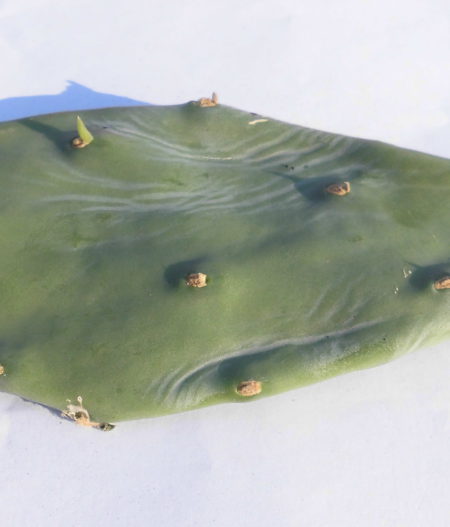
Il fico d’India cresce abbondantemente in Sicilia, il frutto viene usato per la preparazione di diversi prodotti dolciari tipici come mostarde e marmellate.
Ha una lunga tradizione anche come cicatrizzante naturale, la “pala” fresca veniva tagliata ed applicata sulle ferite.
FOGLIA (CLADODIO) FRESCA AL NATURALE, NON E’ STATA TRATTATA IN NESSUN MODO. NON E’ UN ALIMENTO O UN SUPPLEMENTO ALIMENTARE.
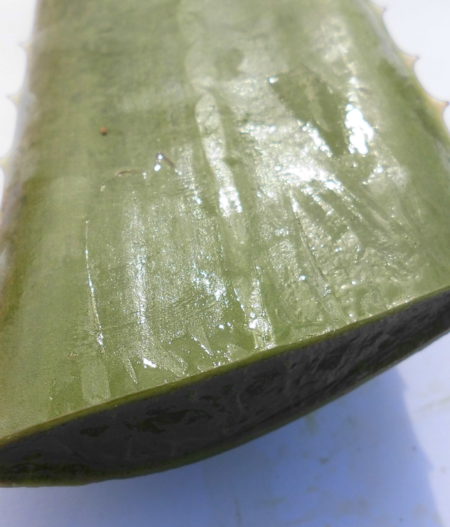
€15.90quantità : 1kgE’ sempre più diffusa anche in Italia sia per la preparazione di farmaci che di cosmetici sotto forma di gel, estratto secco o tintura.
Su ferite, irritazioni e bruciature agisce come antinfiammatorio e antibatterico; inoltre pare stimolare l’afflusso di sangue e linfa nei capillari dell’area coinvolta velocizzando il processo di guarigione.
NON E’ UN FITOFARMACO O UN SUPPLEMENTO ALIMENTARE, MA UN ARTICOLO NON ADATTO AL CONSUMO UMANO DESTINATO SOLTANTO ALL’APPLICAZIONE ESTERNA.
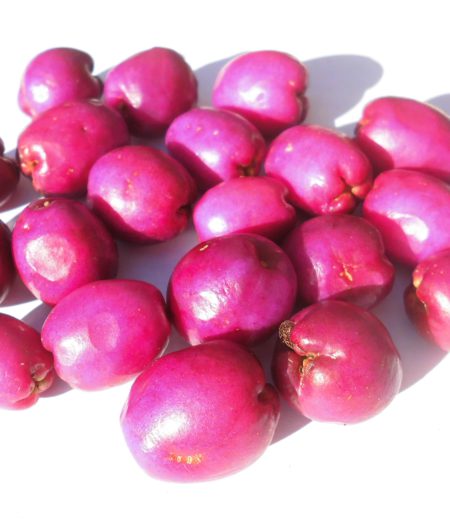
€3.70Un albero considerato semplicemente ornamentale in Italia, produce abbondanti bacche dal colore vivace che va dal rosso al fucsia. E’ un potente antinfiammatorio, antiossidante ed antimicrobico, ricco di antiossidanti, vitamine e polifenoli.
L’estratto dei frutti è un prezioso ingrediente cosmetico: inibisce le reazioni promosse dall’ossigeno evitando l’ossidazione e il deterioramento degli altri ingredienti presenti nella formulazione. Favorisce inoltre la salute di pelle e capelli donando lucentezza e volume.
SONO DRUPE FRESCHE RACCOLTE A MANO SENZA ESSERE PROCESSATE IN ALCUN MODO, SONO DESTINATE AD ESPOSIZIONE ED IMPIEGHI COSMETICI. NON SONO CONFORMI AGLI STANDARD PER LA VENDITA A SCOPO ALIMENTARE.
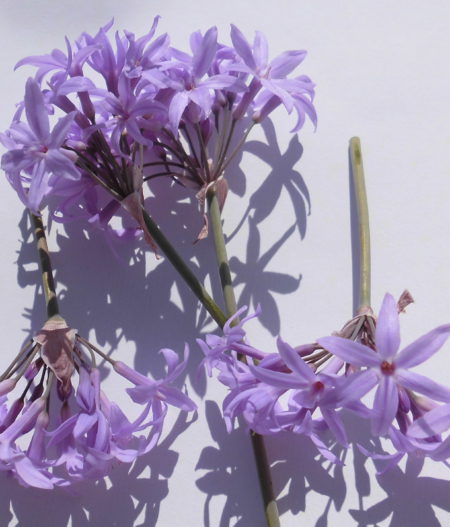
€6.90quantità : 100g - 250g - 1kgUn parente africano dell’aglio, ha una aroma simile ma più pungente.
In Italia è diffusa soltanto come pianta ornamentale, ma in Francia sta avendo successo nell’alta ristorazione come decorazione aromatica commestibile.
NON E’ UN FITOFARMACO O UN SUPPLEMENTO ALIMENTARE, MA UN ARTICOLO NON ADATTO AL CONSUMO UMANO DESTINATO SOLTANTO AD ESPOSIZIONE E DECORAZIONE DELLE PIETANZE
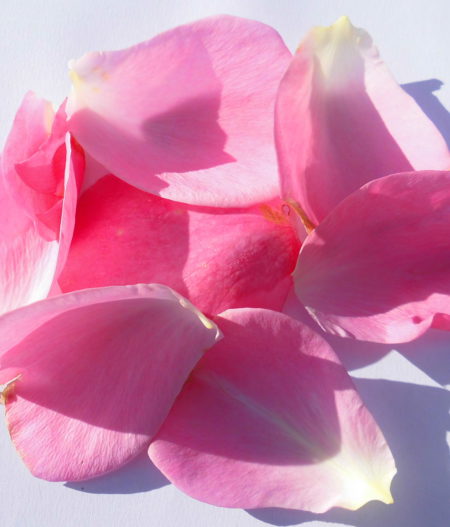
€6.90La rosa di Damasco è famosa per il suo aroma e viene da sempre largamente impiegata come aroma naturale ed ingrediente cosmetico.
Vanta anche una lunga tradizione in fitoterapia, diverse applicazioni tradizionali sono supportate dalla ricerca scientifica. Diversi studi suggeriscono che l’aroma e l’olio essenziale di questa pianta possono ridurre ansia e dolore e persino migliorare la qualità del sonno dei bambini.
NON E’ UN FITOFARMACO O UN SUPPLEMENTO ALIMENTARE, MA UN ARTICOLO NON ADATTO AL CONSUMO UMANO DESTINATO SOLTANTO AD ESPOSIZIONE E FUMIGAZIONI IN AMBIENTI APERTI.
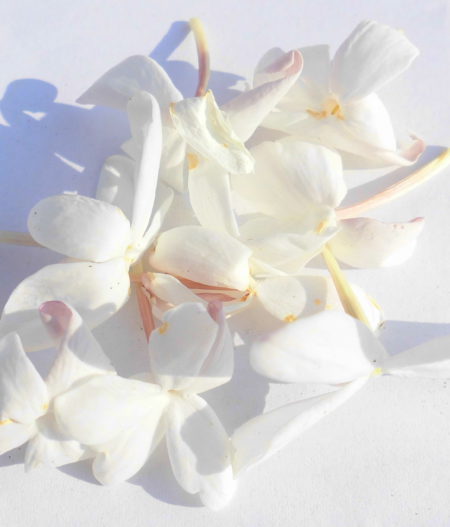
€6.90Una piana dal profumo inconfondible originaria dell’Asia ma coltivata abbondantemente in Calabria e Sicilia per l’estrazione dell’olio essenziale.
I fiori secchi vengono bruciati come incenso per stimolare la libido e la sessualità.
NON E’ UN FITOFARMACO O UN SUPPLEMENTO ALIMENTARE, MA UN ARTICOLO NON ADATTO AL CONSUMO UMANO DESTINATO SOLTANTO AD ESPOSIZIONE E FUMIGAZIONI IN AMBIENTI APERTI.
€11.90

Recensioni
Ancora non ci sono recensioni.